



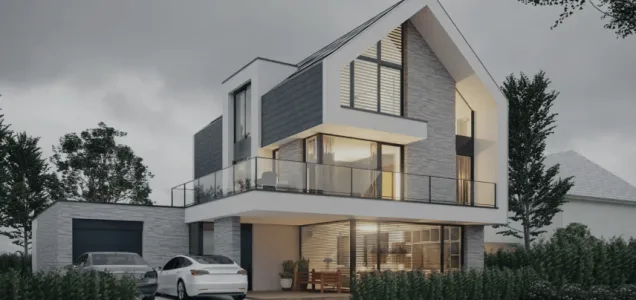
The construction industry is evolving faster than ever. Advances in technology, changing customer expectations, and a greater focus on sustainability are transforming how residential and commercial projects are designed and built. Whether you’re planning a new home, renovating an existing property, or investing in commercial development, understanding the latest construction trends can help you make informed decisions and maximize your investment.In this article, we’ll explore the top construction trends shaping 2026 and explain why they matter for property owners, developers, and investors.
Sustainability is no longer just a trend—it’s becoming an essential part of modern construction. Builders are increasingly using environmentally friendly materials, energy-efficient systems, and waste reduction practices to create buildings that are both durable and cost-effective.
Benefits include:
Homeowners are looking for convenience, security, and energy efficiency. Smart home technologies such as automated lighting, climate control, smart locks, and security systems are becoming common features in new residential projects.
These systems improve comfort while helping homeowners reduce energy usage.
Modern buildings are designed to consume less energy without sacrificing comfort. Better insulation, high-performance windows, LED lighting, and solar-ready infrastructure contribute to long-term savings and environmental benefits.
Prefabricated building components are manufactured off-site and assembled on location, reducing construction time and minimizing material waste.
This method offers:
Construction companies are increasingly using digital tools to monitor project progress, manage schedules, track budgets, and improve communication between stakeholders.
Better planning results in fewer delays and more efficient project execution.
Modern construction places greater emphasis on workplace safety and quality assurance. Regular inspections, quality checks, and compliance with building regulations help ensure long-lasting and reliable structures.
Homeowners now prefer layouts that can adapt to changing lifestyles. Multi-purpose rooms, home offices, and open floor plans have become popular choices for modern homes.
Flexible designs add both functionality and long-term value.
The appearance of a property plays an important role in its value. Durable exterior materials, contemporary facades, and low-maintenance finishes are increasingly preferred for both residential and commercial projects.
Modern construction incorporates rainwater harvesting, water-efficient plumbing fixtures, and landscaping designed to reduce water consumption.
These features support sustainability while lowering utility costs.
Property owners are increasingly investing in durable materials, quality workmanship, and future-ready infrastructure rather than choosing the lowest initial cost.
Although premium construction may require a higher upfront investment, it often results in lower maintenance costs and better resale value.
Following modern construction practices provides several advantages:
The construction industry continues to evolve, offering new opportunities for homeowners, investors, and businesses. By adopting sustainable practices, embracing smart technologies, and prioritizing quality construction, property owners can create spaces that are efficient, durable, and built for the future.
Whether you’re planning a residential home or a commercial development, staying informed about current construction trends can help you make better decisions and maximize the value of your investment.
Sustainable Construction Is Becoming the Standard
- Lower energy consumption
- Reduced maintenance costs
- Improved indoor air quality
- Higher property value
Smart Homes Continue to Grow
Energy-Efficient Building Designs
Modular and Prefabricated Construction
- Faster project completion
- Better quality control
- Reduced labour requirements
- Improved cost efficiency
Digital Project Management
Focus on Safety and Quality
Flexible Living Spaces
Premium Exterior Finishes
Water Conservation Solutions
Long-Term Value Over Short-Term Savings
How These Trends Benefit Property Owners
- Better return on investment
- Lower operating costs
- Increased property value
- Improved comfort and safety
- Greater energy efficiency
- Future-ready infrastructure
- Higher buyer and tenant appeal
Final Thoughts
Frequently Asked Questions
- What is the biggest construction trend in 2026?
- Why are smart homes becoming more popular?
- What are the benefits of modular construction?
- How can sustainable construction reduce long-term costs?
- How do modern construction trends increase property value?

